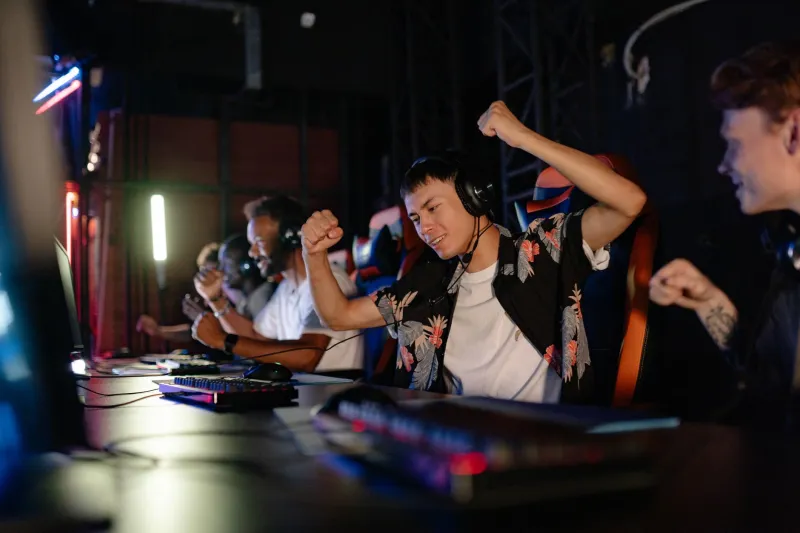
Streaming to Six Figures: How Gaming Creators Are Turning Screen Time Into Real Income

Not long ago, the idea of making a living by playing games on camera felt like a punchline. Now it's a career path that's producing millionaires — and a growing middle class of creators quietly pulling in $60K, $80K, even $100K a year from audiences that would barely fill a mid-sized concert venue.
The gaming and betting content space has evolved fast. Real fast. And the platforms, payout structures, and audience dynamics that define success in 2025 look pretty different from what worked even two years ago. If you've been watching from the sidelines — or you're a creator trying to figure out where the actual money is — here's an honest look at what's happening.
The Platform Landscape Has Shifted
Twitch built the blueprint. YouTube refined it. But the gaming streaming ecosystem today is more fragmented — and more interesting — than either platform alone.
Twitch still holds the largest raw audience for live gaming content, but revenue share disputes and creator migration have complicated its dominance. The platform's affiliate and partner programs remain solid entry points, but top creators increasingly treat Twitch as one channel in a multi-platform strategy rather than their exclusive home.
YouTube Gaming has become the go-to for long-form content and VOD discovery. Creators who can turn live sessions into edited highlights, tutorials, and strategy breakdowns often find that their YouTube residuals — ad revenue from videos watched months or years later — outpace their live-stream income over time. That passive income angle is a big deal for sustainability.
Kick has positioned itself aggressively as a creator-friendly alternative, offering a 95/5 revenue split compared to Twitch's standard 50/50 for most streamers. It's attracted several high-profile gambling and gaming streamers specifically because of fewer content restrictions and better payout terms. Smaller creators are starting to pay attention.
Then there are the betting and gaming platform affiliate programs — arguably the most significant income driver that doesn't get enough mainstream attention.
Affiliate Programs: Where the Real Numbers Get Interesting
Here's something the mainstream creator economy conversation often glosses over: for gaming and betting content creators, affiliate revenue frequently dwarfs direct platform payouts.
Gaming platforms — including online casinos, sportsbooks, and competitive gaming marketplaces — run affiliate programs that pay creators based on player acquisition and activity. The commission structures vary, but common models include:
- Revenue share: A percentage (often 20-45%) of the net gaming revenue generated by players the creator referred, paid monthly, sometimes for the lifetime of that player's activity
- Cost per acquisition (CPA): A flat fee paid per new depositing player, which can range from $50 to several hundred dollars depending on the platform and market
- Hybrid deals: A combination of upfront CPA and ongoing revenue share
A creator with a modest but engaged audience of 5,000 followers who consistently refers even 30-40 active players per month can generate $3,000-$8,000 in monthly affiliate income — sometimes more, depending on the program's terms and player activity levels. Scale that up with a larger audience and the math becomes genuinely compelling.
Creator Profiles: What Success Actually Looks Like
The six-figure gaming creator isn't always the one with a million subscribers. The income picture is more nuanced than follower count suggests.
The Educator: Creators who build content around strategy, odds explanation, and game mechanics tend to attract a highly engaged, purchase-ready audience. Their viewers aren't just casual fans — they're players looking to improve. Affiliate conversion rates in this niche run high, and sponsorship deals with gaming platforms are easier to land because the audience match is obvious.
The Personality Streamer: Big live energy, community interaction, entertainment-first content. These creators build loyal communities that tip, subscribe, and follow them to new platforms. Their income is more diversified — Twitch subs, donations, merchandise, brand deals — but it requires consistent live presence and audience cultivation.
The Niche Specialist: A creator who goes deep on one specific game, betting market, or platform can dominate a smaller slice of the audience and become the go-to resource for that community. Smaller total reach, but extraordinary authority and trust — which translates to strong affiliate performance and premium sponsorship rates.
Tournaments and Exclusive Experiences as Revenue Layers
Beyond streaming and affiliates, a growing number of creators are monetizing through community tournaments and exclusive events. Gaming platforms increasingly partner with creators to host invite-only competitions, bracket challenges, and branded events that generate both creator income and platform engagement.
For creators with even a few thousand dedicated followers, running a community tournament — whether it's a poker bracket, a sports prediction contest, or a competitive gaming event — can generate significant revenue through entry fees, platform partnership payments, or sponsored prize pools.
This layer of income is still underutilized by most mid-tier creators, which makes it a genuine opportunity for those willing to put in the organizational work.
What Separates the Earners from the Aspirers
After looking at dozens of creator trajectories in the gaming and betting content space, a few patterns show up consistently among those who break into real income:
-
They treat it like a business from day one. That means tracking analytics, understanding their audience demographics, and approaching platform and brand relationships professionally.
-
They diversify income streams deliberately. Relying solely on platform ad revenue is a recipe for income instability. The creators doing well have three to five income sources running simultaneously.
-
They pick a lane and stay in it long enough to matter. Consistency in content focus builds searchability, trust, and audience loyalty faster than constantly pivoting.
-
They understand the platforms they cover. Creators who actually know gaming mechanics, odds, and strategy — and can explain them clearly — build credibility that translates directly into audience trust and affiliate conversions.
The Opportunity Window Is Real
The gaming content space is competitive, but it's not closed. The creators entering now with a clear niche, a platform strategy, and an understanding of how monetization actually works have a legitimate path to building something real.
The players who bold up — who treat their channel like a business and learn the mechanics of the space they're in — are the ones turning entertainment into income. That's not luck. That's strategy.